
Pleasanton Previous Residents by Era
A Pleasanton address leaves different traces over time. The county recorder supplies legal ownership; the assessor and parcel map anchor the modern lot; local collections add names absent from deeds. Pleasanton’s record trail is not one database. Dates below mark coverage, not completeness. Deeds record transactions. Directories and newspapers offer household clues. Census schedules capture one dated household. Sanborn maps and permits add building context.
| Source | Years It Covers | Where Held | What It Shows |
|---|---|---|---|
| Pleasanton official records | 1853-present; online index 1969-present | Alameda County Clerk-Recorder | Deeds, named parties, dates, liens, releases, legal descriptions |
| Pleasanton assessor and parcel records | Current digital parcel; older rolls by request or archive | Alameda Assessor | APN, situs, map and assessed characteristics |
| Pleasanton permits | Digital coverage not officially stated | Community Development | Project dates, applicants, contractors and work scope |
| Pleasanton local newspapers | Selected 1885-1955 digitized; selected bound 1951-1971; microfilm | Museum on Main | Occupants, sales, deaths, notices and local events |
| Pleasanton city and reverse directories | Exact Pleasanton run not verified | Library, museum and regional collections | Annual address and household snapshots when a volume survives |
| Pleasanton federal population census | 1790-1950 currently public | Federal census repositories and library databases | Household composition on an enumeration date |
| Pleasanton Sanborn fire-insurance maps | Exact Pleasanton years not verified | Library of Congress and California repositories | Building footprint, use and address context |
Match source to question. For Pleasanton, start ownership work with parcel and recorder. Use a directory, census, or newspaper for households. Death-related transfers may need an obituary, probate file, then deed. The Pleasanton Library provides licensed databases; Museum on Main supplies local primary material.
Trace Pleasanton Past Residents
Start with the Alameda Parcel Viewer. Search by site address, APN, or map; save the parcel number, exact situs, and map context. The legal description comes from the deed. Situs is the land’s physical address. A tax mailing address may point elsewhere and does not prove occupancy. The parcel anchors the recorder search when a street name or number changed. For a Pleasanton address, this is the current parcel anchor. If the map needs help, the Assessor lists its Oakland lobby at 1221 Oak Street, Room 145, and a Dublin satellite at 7600 Dublin Boulevard #270, both with weekday public hours from 9:00 to 4:30 and main phone (510) 272-3787.
- Open the Alameda County Parcel Viewer for Pleasanton by site address or map. Save the APN, situs, and map reference.
- Use the current vesting owner from the latest deed, plus the APN and parcel context, to find the acquisition deed. Record its instrument number, date, grantor, grantee, type, and legal description.
- Search the seller named as grantor as a grantee in an earlier period. Compare legal description and parcel context, not surname spelling alone.
- Repeat the seller-to-buyer step. Deeds of trust, liens, easements, releases, and reconveyances date activity but do not all transfer title.
- At the online cutoff, continue through older index books and copy channels at the Oakland office for a Pleasanton chain. Keep book/page or reel/image references.
This seller-to-buyer sequence is a chain of title, not a list of occupants. A grantor conveys or releases an interest; a grantee receives it. The recorded image controls the legal description and terms. For a Pleasanton property, an owner, applicant, tax contact, and past resident remain distinct roles in the Pleasanton record trail.
Find Past Pleasanton Residents
Owners are only one part of previous residents research. A reverse directory may list people at a street address, while a census gives a household snapshot on its enumeration date. For Pleasanton past residents, the exact directory run and publisher list were not verified, so no missing year should be assumed. Collection details belong on the Pleasanton city directory page; the backward trail uses each surviving entry as a dated clue.
Museum on Main’s Sandi Thorne Research Center adds local texture. Its inventory identifies a strong digitized Pleasanton Times run for 1929-1933 amid scattered issues, plus selected bound volumes and microfilm available through the research center. A past resident may surface in a Pleasanton property notice, wedding item, club report, legal notice, or obituary. Test that lead against the parcel, census, probate, or another dated record.
For a federal property or estate matter, the Northern District of California CM/ECF access point is separate from local deed and household sources.
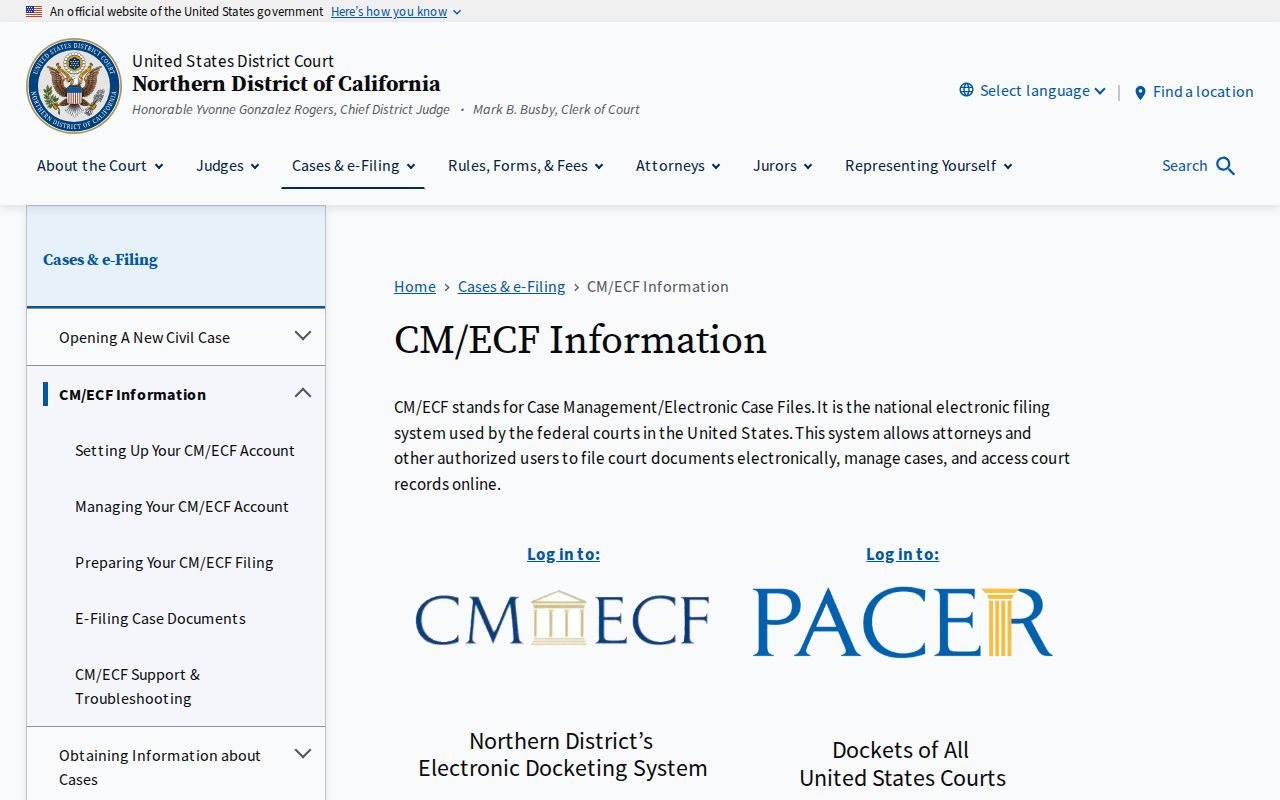
Federal court access can add a case name, party role, date, or document trail, but it is not a Pleasanton resident directory. Match any Pleasanton court clue to a parcel, relative, middle initial, or address type.
Pleasanton Past Residents and Legal Descriptions
Older Pleasanton research can break when a modern street address is copied into every year. For a Pleasanton parcel, downtown, rural, annexed, and subdivision records may use a lot and block, tract, or metes-and-bounds language. No authoritative source verified a citywide renumbering year. Test continuity with APN, legal description, cross streets, historic maps, and parcel shape rather than guessing.
- Grantor and grantee
- The grantor gives, sells, or releases an interest. The grantee receives it.
- Chain of title
- Linked recorded transfers used to follow an interest from one owner to the next.
- Legal description
- A formal Pleasanton lot, block, or metes-and-bounds description that identifies land beyond a postal label.
- Criss-cross directory
- A reverse directory arranged by street and house number, linking an address to a listed occupant or telephone entry.
- Enumeration district
- The census area assigned to an enumerator, useful when an old address is hard to read or changed form.
Pleasanton permits add a dated layer. City building and planning records can identify an applicant, owner, contractor, architect, project, date, inspection status, or plan. The Pleasanton permit record is available through building services, the Community Development counter, or a public-record request when it is not posted. A permit explains a construction event, not title or a full household. Save its number and address, then compare it with deed and directory years.
Pleasanton Resident Records at 1969
Alameda County records date to 1853, but the electronic name index begins in 1969. Pleasanton incorporated in 1894, so earlier Pleasanton people and property may appear under township, rancho, rural-route, or county terms. The Pleasanton recorder trail still requires the counter at 1106 Madison Street in Oakland for 1853-1968 grantor-grantee work. Mail can use an instrument, book/page, or reel/image reference. Phone staff at (510) 272-6362 or (888) 280-7708 can clarify ordering.
Online copy orders require an instrument number, Visa or MasterCard, and a $2 convenience fee. Plain copies cost $3.50 per page; certified copies cost $4.50 for the first page and $3.50 each additional page. Mail for a Pleasanton chain uses check or money order, a stamped return envelope, and normally takes 5-10 business days. Printing ends at 4:15 p.m.; requests after 4 p.m. move to the next day.
The California Public Records Act, Government Code §§7920.000-7931.000, supports identifiable-record requests, but does not require a new owner list. County deeds belong with the recorder. The Pleasanton CPRA request channel fits city permits, planning, council, and administrative records tied to the address.
Pair Pleasanton Residents With Census
Directory years and census years answer different questions. A Pleasanton directory may place a person at a street and house number for one edition. The census records a household on one day, with ages, relationships, birthplace, and other schedule fields. Use both, but do not treat a gap as proof that a family moved.
Process flow. Known Pleasanton address and year → directory entry → abbreviation key and adjacent volume → census year and enumeration district → newspaper or obituary → deed or probate. Keep the printed spelling and initials, then test variants. Women may appear under a husband’s initials or widow notation. Rural residents may be omitted.
Federal census schedules from 1790 through 1950 are public under the 72-year rule. Pleasanton Library offers Ancestry Library Edition onsite, HeritageQuest at home through authentication, and Fold3 for military collections. Search library catalogs and local collections for Sanborn sheets, but verify the exact Pleasanton year before relying on one. The Pleasanton enumeration district helps find the right census page when an old address no longer maps neatly to a current street.
Pleasanton Past Residents and Heirs
Probate and obituary records can close a past-resident trail after a Pleasanton death or estate transfer. Alameda Superior Court probate files may contain petitions, wills, notices to heirs, inventories, and orders. Start with the Alameda eCourt Public Portal; use a courthouse terminal or clerk copy service offline. Archived files may need advance retrieval, and sealed or protected portions remain restricted.
A Pleasanton obituary can supply a spouse, child, sibling, former address, or service detail. Treat funeral-home memorials as secondary. Confirm names and dates with a newspaper, probate file, or certified vital record. A petitioner may be an heir, executor, or attorney, so role matters more than a name match.
For federal matters, the PACER public-access service is the official docket and document entry point.
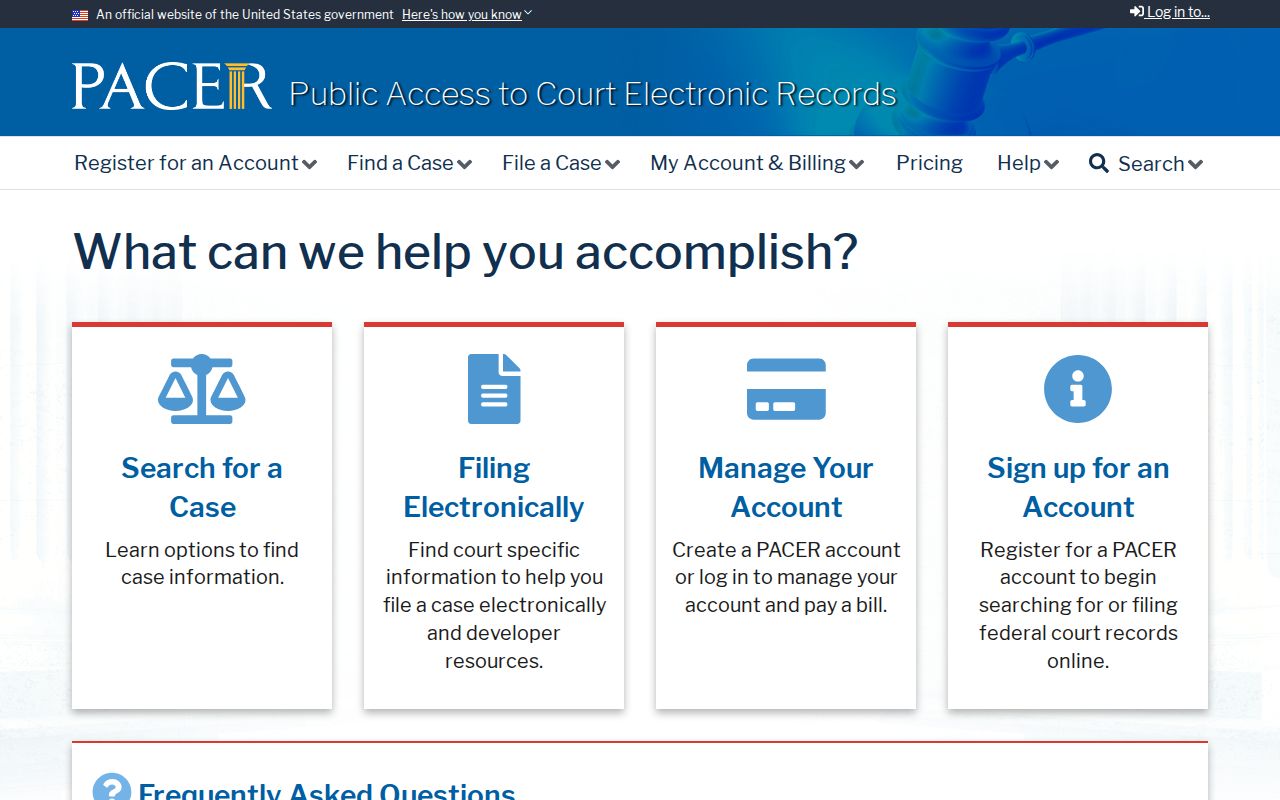
PACER and Northern District records can corroborate a dated legal event, but neither proves that a named party lived at a Pleasanton address. The strongest Pleasanton heir link joins probate, obituary, deed, and parcel evidence.
Pleasanton Past Residents in Vital Records
A Pleasanton death record can anchor a household’s end, but California vital records are application-based rather than open name indexes. Alameda County issues local birth and death records; Alameda County Public Health handles current and preceding-year registrations. The California Department of Public Health supplies the statewide mail channel. Public and confidential marriages have separate rules, with confidential copies limited to parties or court order.
Under Health and Safety Code §§103525-103526.5, an authorized copy requires statutory eligibility and a notarized sworn statement. Others may generally obtain a certified informational copy with protected fields redacted. The 2026 state fees are $31 birth, $26 death, $19 marriage, $18 dissolution, $23 fetal death, and $28 stillbirth. For Pleasanton research, a vital certificate supports family facts; an obituary or probate file may provide the address bridge.
The California vital-record fee and application information is the relevant state reference for a copy request.
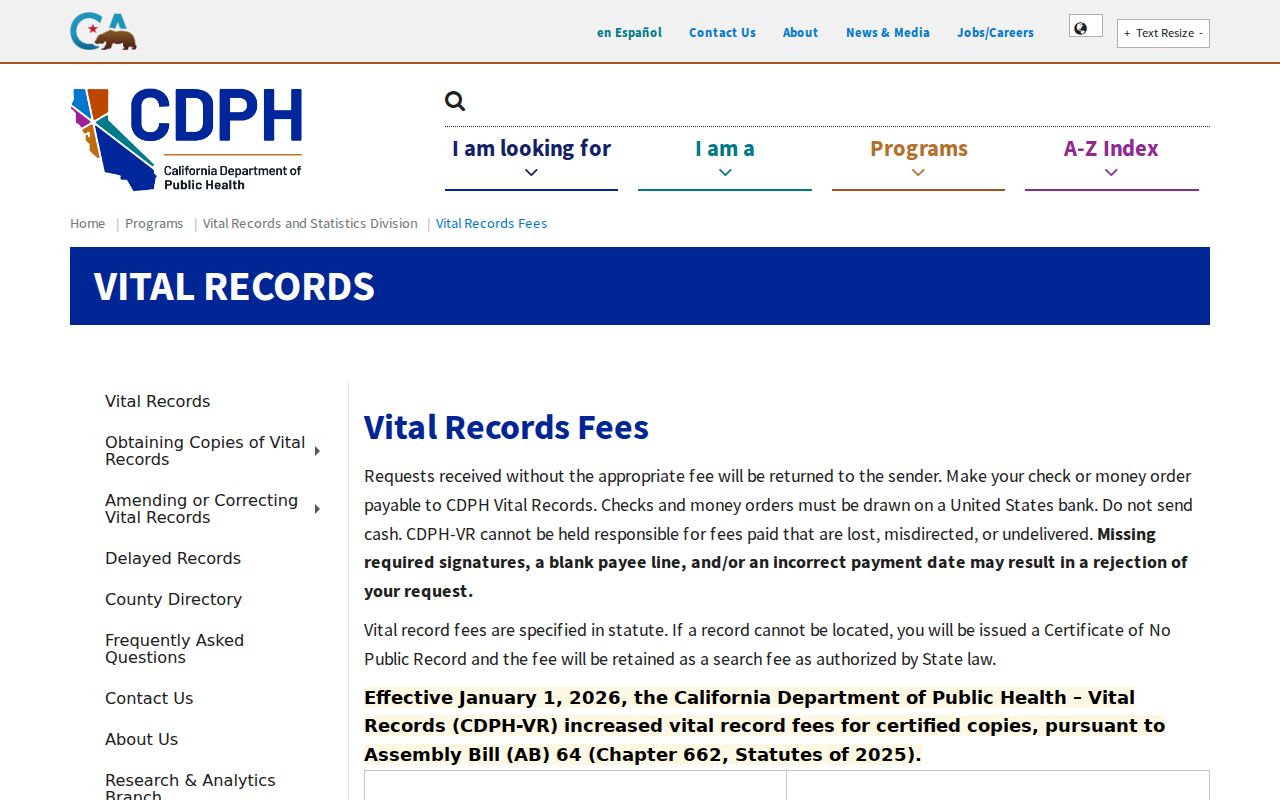
The fee page explains cost, not proof of Pleasanton residence. Keep the certificate, obituary, probate role, and parcel record as separate evidence links.
Lawful Pleasanton House History
Past-resident research is strongest for family history, heir work, preservation, or a careful Pleasanton house history. Keep a dated log with the published spelling, record type, custodian, address type, case or document number, and visible fact. Ownership, voter registration, and a business filing are different signals. None alone proves who slept at an address.
Lawful use. Pleasanton house-history research is for lawful personal, family, and civic purposes. California privacy, voter, court, and safety rules still apply, and records must never be used to stalk, harass, threaten, or track a living person.
Negative results need care. A search can miss a trust, spouse’s name, diacritic, common-name variant, sealed file, or pre-1969 instrument. Exact Pleasanton directory and Sanborn runs, and a citywide renumbering date, remain unverified. State the conclusion narrowly: not located in the named source under tested variants as of the search date.
Start with the modern APN, carry the legal description through the Pleasanton recorder trail, pair directory and census years, then test each link with permits, newspapers, probate, obituaries, and vital records. The result is a documented house history, not an invented list.